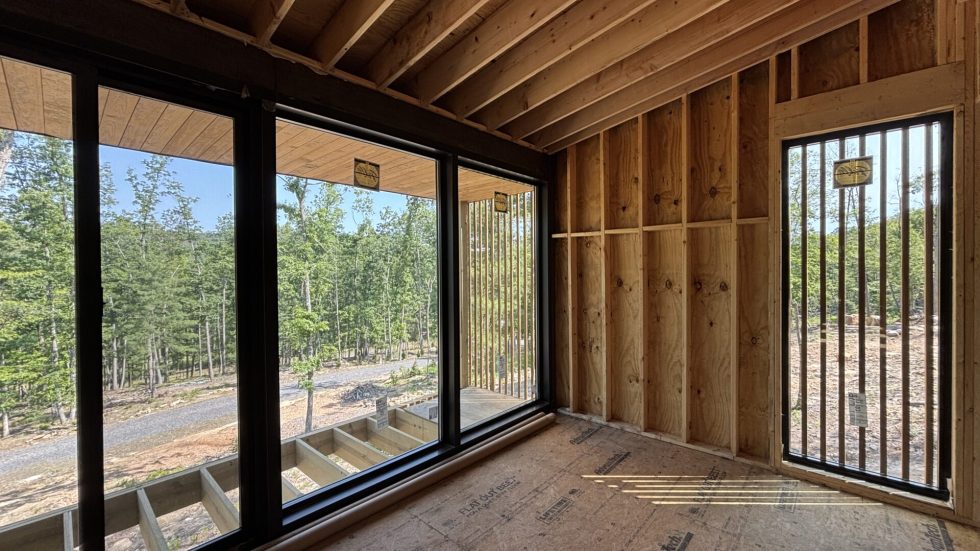
Designing for Daylight: Maximizing Natural Light in Commercial Interiors
Natural light can make a commercial space feel brighter, more welcoming, and more comfortable for the people who use it. However, simply adding more windows does not guarantee better lighting. An office may have plenty of sunlight near the windows while interior workspaces remain dim.
Making the most of natural light requires thoughtful planning. Known as daylighting, this approach considers how window placement, glass selection, and interior layout work together to bring natural light into a space while minimizing glare and excessive heat.
In this guide, the experts at Pella Mid-Atlantic share practical daylighting strategies to help you maximize natural light and create more comfortable and functional commercial spaces.
Why Natural Light Matters in Commercial Spaces
Access to natural light and outdoor views can make a meaningful difference in how people experience a commercial space. For employees who spend much of their day indoors, windows provide a connection to the outside environment and can make workspaces feel less enclosed.
Beyond the occupant experience, daylighting can also help reduce energy consumption and operating costs. When paired with automatic lighting controls, natural light can reduce the need for electric lighting during daylight hours. These systems can dim or turn off fixtures when sufficient sunlight is available, helping businesses avoid unnecessary energy use.
Achieving these benefits requires careful consideration of how daylight enters and moves through a building. Factors such as window orientation, the amount of glass, and glazing selection all play a role in how effectively natural light can be used throughout a space.
Daylighting Design Fundamentals
Consider Window Orientation
The direction your windows face affects when and how much natural light enters a building. In the Mid-Atlantic, north-facing windows generally provide softer, more consistent daylight, while south-facing windows receive more direct sunlight. East-facing windows capture morning sun, while west-facing windows receive stronger afternoon sun.
These differences can affect lighting conditions throughout the day, particularly when low-angle sunlight creates glare on computer screens and work surfaces. Although changing window placement isn’t always possible, adjustable shades and thoughtful workstation placement can help manage direct sunlight and create a more comfortable environment.
Look Beyond Window Size
Once you’ve considered window orientation, you might assume that bigger windows are the next step toward maximizing natural light. However, larger windows don’t always mean better lighting. Areas near the windows may receive plenty of daylight while deeper interior spaces remain dim.
One important consideration is the window-to-wall ratio (WWR), which measures the proportion of an exterior wall occupied by windows. A higher ratio can increase natural light but may also affect heating and cooling demands.
Room depth, interior partitions, and how the space is used also influence how effectively daylight reaches different areas. Evaluating these factors together can help determine the right window size and placement for your building.
Give the Glass Some Thought
Beyond window size and placement, the type of glass you choose also influences how much natural light and solar heat enter a building.
Two important performance ratings can help you compare your options. Visible transmittance (VT) measures how much visible light passes through a window. A higher VT generally allows more daylight into a space. Solar heat gain coefficient (SHGC) measures how much solar heat enters through a window. A lower SHGC means less heat gain, which can help reduce cooling demands.
Options such as Low-E glass can help control heat transfer while allowing natural light to enter. Different coatings offer varying levels of light transmission and solar heat control, so the right choice depends on your building’s location, window orientation, and energy efficiency goals. Explore Pella’s glass options to learn more about the available choices.
Explore Window Styles and Daylighting Solutions
With the fundamentals of daylighting in mind, it’s time to consider which window styles and architectural features can make the greatest difference in your space. While traditional windows may work well in some areas, other rooms may benefit from solutions that bring in natural light without taking up valuable wall space or compromising functionality.
Casement Windows for Daylight and Fresh Air
One versatile option is casement windows, which are hinged on one side and open outward. In addition to providing natural light and unobstructed outdoor views, these windows can be opened to allow fresh air into a space when weather conditions permit.
Casement windows can also be paired with fixed windows to create a larger glass area while maintaining the option for ventilation. If you’re planning a window replacement, consider whether the space would benefit from additional daylight, ventilation, or both. Keep in mind that casement windows require sufficient exterior clearance to open.
Other Ways to Bring Daylight Inside
While casement windows offer a combination of natural light and ventilation, they may not be practical for every space. Areas with limited exterior wall space or deeper interior layouts may benefit from alternative daylighting solutions.
For example, clerestory windows are positioned high on a wall, allowing daylight to enter while preserving space below for furniture or equipment. Light shelves take a different approach, reflecting incoming sunlight toward the ceiling to help distribute natural light farther into a room.
For projects that require a more tailored approach, Pella Mid-Atlantic can help design custom window solutions that complement your building’s layout and daylighting needs. Schedule a free consultation to explore your options.
Consider the Whole Interior
Choosing the right windows is only part of an effective daylighting strategy. Once natural light enters a building, the interior layout influences how far it reaches and how evenly it’s distributed.
Tall partitions and solid walls can block daylight from reaching interior workspaces, while lower partitions and glass dividers allow more light to pass through. Light-colored walls and ceilings can also help reflect sunlight farther into a room, reducing the contrast between areas near windows and those deeper inside.
Electric lighting can help maintain consistent lighting conditions throughout the day. Daylight harvesting systems use sensors to automatically adjust compatible electric lights based on the amount of natural light available. For example, lights near windows may dim on a sunny afternoon while those farther inside remain on.
By considering interior layouts, reflective surfaces, and lighting controls alongside window design, you can make better use of available daylight throughout your commercial space.
Planning for LEED? Bring Daylight Into the Conversation Early
For commercial projects pursuing Leadership in Energy and Environmental Design (LEED) certification, effective daylighting may help earn credits toward the building’s sustainability goals.
Depending on the LEED rating system and version, project teams may use computer simulations or on-site measurements to assess daylight levels in regularly occupied spaces. Some assessment methods also include glare-control requirements.
Because earning these credits depends on meeting specific performance requirements rather than selecting a particular window, considering daylighting goals early gives your design team more flexibility to evaluate options and make adjustments before plans are finalized.
A Brighter Space Starts With Everyday Comfort
Effective daylighting is about more than bringing sunlight indoors. It’s about making thoughtful design choices that improve how a space looks, feels, and functions throughout the day. By considering how windows work with the surrounding environment and interior layout, you can create a more comfortable, energy-efficient space for the people who use it.
Whether you’re planning a new commercial building or updating an existing space, Pella Mid-Atlantic can help you explore window solutions that align with your project’s design and performance goals.
Explore our commercial window solutions or contact our team to discuss the right options for your project.