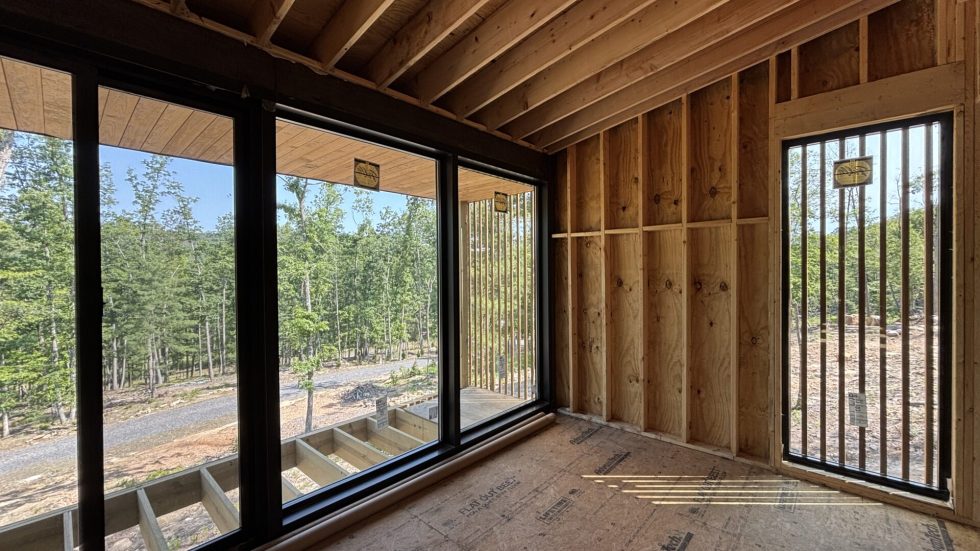
Floor to Ceiling Windows: The Best Choice For Your Commercial Space
When it comes to commercial design, natural light changes everything. That’s why so many businesses are turning to floor to ceiling windows to create brighter spaces with uninterrupted views and clean architectural lines. Whether part of a new build or a window replacement project, this concept can significantly reshape how a space looks and performs.
In this guide, the expert team at Pella Mid-Atlantic shares what to consider before installation and how to make the most of this modern window design.
Best Commercial Spaces for Floor-To-Ceiling Windows
While nearly any commercial building can incorporate floor to ceiling windows, certain environments particularly benefit from the added natural light and openness.
In office buildings and co-working spaces, the increased brightness helps teams stay focused and energized while creating collaborative areas that feel larger and more connected.
In retail storefronts and restaurants, larger windows put interiors and merchandise on full display, creating an inviting setting that captures attention and encourages people to come inside.
In hospitality properties and wellness-focused environments, the feeling of openness glass provides not only enhances lobbies and other public, patient-facing areas, but it also has been linked with shorter recovery times and creating spaces that feel calm and thoughtfully designed.
Take Advantage of Our Current Offer:
Buy 2 Windows, Get 1 Free
+ 40% Off Patio Doors +
No Deposit, No Payments, No Interest Until 2028*
Commercial Window Installation
What to Consider
Installing floor-to-ceiling windows introduces additional requirements in commercial buildings. From complex window combinations and mulling details to how the window integrates with the overall wall assembly, each decision plays a role in how successfully the system functions over time. Even the best window will fail if proper installation methods are not followed.
Structural Integration
Full-height windows may require reinforced framing to provide proper, careful distribution. Always consult with your local fenestration expert to ensure your building’s specific structural needs are met, and coordinating early with your architects and installers will ensure long-term stability and proper performance, allowing you to enjoy your floor-to-ceiling windows for many years.
Additional Performance from Glazing
With larger expanses of glass, the type of glazing and coatings used within the window system becomes even more important. High-performance insulated glass can help minimize solar heat gain, regulate indoor temperatures, provide additional sound suppression, and enhance overall occupant comfort, all while providing additional energy efficiency.
Code Compliance and Safety Requirements
Like all projects, Commercial properties must meet local building codes and safety standards. This not only ensures occupant safety in case of an emergency, but it also provides accessibility standards to ensure everyone is able to fully enjoy their windows, regardless of physical abilities. Addressing these requirements early in the design process helps avoid costly modifications later.
Durability and Long-Term Performance
In high-traffic environments, materials and finishes should be selected for long-term durability while maintaining a clean, professional appearance. Consider the occupant, how the space will be used, and the building’s maintenance protocols as you are making these initial selections to ensure the best solution for your commercial project. Windows are an investment, but ensuring the right material is chosen early on will ensure minimal costs over their lifespan.
Advantages of Floor-To-Ceiling Windows
When properly planned and installed, floor-to-ceiling windows offer benefits that extend beyond their modern appearance. In commercial environments, they shape how a space functions and how it is experienced from both the inside and out.
By minimizing visual interruptions, these window systems can make interiors feel noticeably larger and more open. Even in buildings with limited square footage, the added sense of scale can improve comfort and flow throughout the space.
They also contribute to a brighter interior environment that can reduce reliance on artificial lighting during business hours. When insulated glass is selected thoughtfully, larger windows can deliver visual impact without sacrificing energy efficiency.
Window Design Ideas for Commercial Spaces
Floor-to-ceiling windows offer flexibility beyond size alone. The window’s frame significantly influences the overall aesthetic of a commercial space.
Slim, minimalistic frames create a sleek, contemporary look, while thicker profiles feel more substantial and can lean more traditional. Frame color further defines the tone. Dark finishes add contrast and presence, whereas neutral tones keep the design understated and refined. You can even decide to have a dual-tone effect for a neutral interior while not sacrificing that show-stopping facade your client has always dreamed about.
For more classic projects, the thicker frame doesn’t limit your sightlines; it provides a larger canvas to showcase historic details found around the DMV area. With several profiles to choose from, you can customize the sash’s grid patterns, muntin profiles, and even material to introduce architectural character without compromising the sense of openness.
Window frames and their sashes are just one way to customize your window design. For additional inspiration and style direction, explore Pella’s window design ideas, and visit our windows page to learn more about available styles and performance features.
Window Treatments for Floor-to-Ceiling Windows
Because floor-to-ceiling windows introduce larger glass surfaces, thoughtful window treatments are often part of the design plan. In commercial spaces, the goal is to manage light and privacy without compromising the openness that makes this design so effective.
Motorized shades are a popular choice in office buildings and conference rooms, offering easy control over glare throughout the day. In hospitality settings, layered treatments, such as sheer shades, can soften the space while maintaining flexibility for different uses. Solar shades are another practical solution, helping reduce heat gain while preserving exterior views.
When selected carefully, window treatments enhance comfort and performance while complementing the architectural design. For additional insight on selecting window treatments that complement large-scale glass, read our guide to the dos and don’ts of window treatments.
Conclusion: Upgrade Your Commercial Space with Floor-to-Ceiling Windows from Pella Mid-Atlantic
Floor-to-ceiling windows can significantly enhance both the look and functionality of a commercial space when they’re planned and installed with care. From improving energy performance to shaping how people experience the environment, the right window system can make a profound impact over time.
If you’re considering incorporating floor-to-ceiling windows into your next project, the professionals at Pella Mid-Atlantic are here to help you evaluate your options and move forward with confidence. Whether you’re designing an application from scratch, remodeling a historic landmark, or requiring professional installation, our team can support you from schematic design through the construction phase.
Contact us or schedule your free consultation to get started today.
Pella windows are rated #1 by Mid-Atlantic homeowners for highest quality.*
Pella is the most preferred window brand by homeowners in the Mid-Atlantic.*
Pella is rated #1 by Mid-Atlantic homeowners as the most trusted window brand.*
Pella is rated #1 by Mid-Atlantic homeowners as the window brand that stands behind their products.*
*Based on a 2025 survey of leading window brands among homeowners.