Is It Time for New Windows? 5 Signs Your Windows Need to Be Replaced
How Long Do Windows Really Last?
New windows can improve curb appeal, help make your home more energy efficient, and potentially increase its value. But because window replacement is a significant investment, it is important to know when an upgrade is truly needed.
Most windows can last anywhere from 15 to 50 years, but age is only one factor. The type of window and quality of installation can affect its lifespan, along with ongoing maintenance and exposure to the elements.
That is why it is important to pay attention to how your windows are performing over time. Some changes are simply the result of normal wear and tear, while others can signal that a repair may no longer be enough. The experts at Pella Mid-Atlantic put together this guide to help you tell the difference and recognize five common signs that it may be time to replace your windows.
Sign 1: Outside Noise and Rising Energy Bills
If you notice a draft when you walk past your windows, especially on hot or cold days, it could mean they are no longer sealing properly. As windows age, seals can wear down and small gaps can develop around the frame, allowing outside air in. Worn weatherstripping or visible gaps around the frame can also indicate that the window is no longer functioning as effectively as it should.
Outside noise can be another reason to take a closer look at your windows. If you can clearly hear traffic, neighbors, lawn equipment, or other sounds when your windows are closed, start by checking for gaps around the sash and making sure the window closes completely. If there are no obvious issues and noise is still coming through, the glass itself may be part of the problem. Single-pane windows do not block sound as well as windows with multiple panes. The additional pane creates another barrier between your home and outside noise, which can help improve acoustic performance. If outside noise has become disruptive, replacement windows may help create a quieter indoor environment.
Rising energy bills can also be a sign that your windows are not performing as efficiently as they once did. Poorly sealed windows can make it harder for your heating and cooling system to maintain a consistent indoor temperature. If your energy bills have been climbing without a major change in how you heat or cool your home, your windows could be contributing to the increase. In that case, replacement may be a worthwhile long-term investment.
Sign 2: Condensation or Fog Between Panes
Another sign to watch for is condensation or fogging that does not seem to go away.
Condensation on the inside or outside of your windows is not always a cause for concern. It can happen when there is a noticeable difference between indoor and outdoor temperatures or when humidity levels are high, so if the moisture can be wiped away from the surface of the glass, it is generally not a sign that something is wrong with the window.
Moisture trapped between the panes, however, can point to a failed seal around the glass. This can either be due to poor installation or simply because the window is old, but once moisture gets inside, the window will lose some of its insulating ability and become less effective at protecting your home from outdoor temperatures.
If condensation between the panes keeps returning, consider having the window evaluated by a professional to determine whether replacement is necessary.
Sign 3: Windows That Stick, Won’t Open, or Won’t Lock
Opening and closing your windows should not feel like a struggle. If a window regularly sticks, will not stay open, or is difficult to close completely, it could be a sign that something is no longer working as it should. Over time, window frames can shift and hardware can wear down, making the window harder to operate.
Before assuming you need a new window, it’s worth taking a closer look at what might be getting in the way. Dirt and debris can collect in the track, and loose hardware can make it harder for the window to move smoothly. With wood windows, high humidity can also cause the natural material to swell slightly, which may lead to some temporary sticking. While a small amount of expansion is normal, repeated sticking over time can contribute to wear, particularly if the window is not well suited to the climate or conditions around the home. If the window will not lock, check that it is closing all the way and that the lock lines up correctly. Cleaning the track or tightening loose hardware may be all it takes to fix the problem.
If your window is still giving you trouble after checking for these issues, it may be more than a quick fix. A window that does not close completely may leave gaps that let in outside air or moisture, while one that does not lock properly can be a security concern. At that point, it is worth having the window inspected to determine whether it can be repaired or if replacement makes more sense.
Sign 4: Visible Damage, Rot, or Water Leaks
Some signs of window damage are easier to spot than others. Cracked glass, peeling paint, soft wood, or water stains around the frame are more obvious indicators that the window needs attention.
Not every issue requires a full replacement. If you notice moisture around a window, check the frame and surrounding area for damaged caulk or places where water may be getting in. A small gap in the caulk may be easy to repair, and proper weatherproofing can help protect against future moisture damage. However, repeated leaks or visible deterioration around the frame can point to a larger problem. Soft or rotting wood may mean moisture has already begun to affect the window.
Because rot can weaken the window frame over time, it is important not to ignore it. If you are unsure how extensive the damage is, have the window evaluated by a professional to determine whether it can be repaired or should be replaced.
Sign 5: Outdated Style
Not every reason to replace your windows comes down to something being broken. Sometimes, your windows still work but no longer provide the comfort or aesthetic appeal you want for your home.
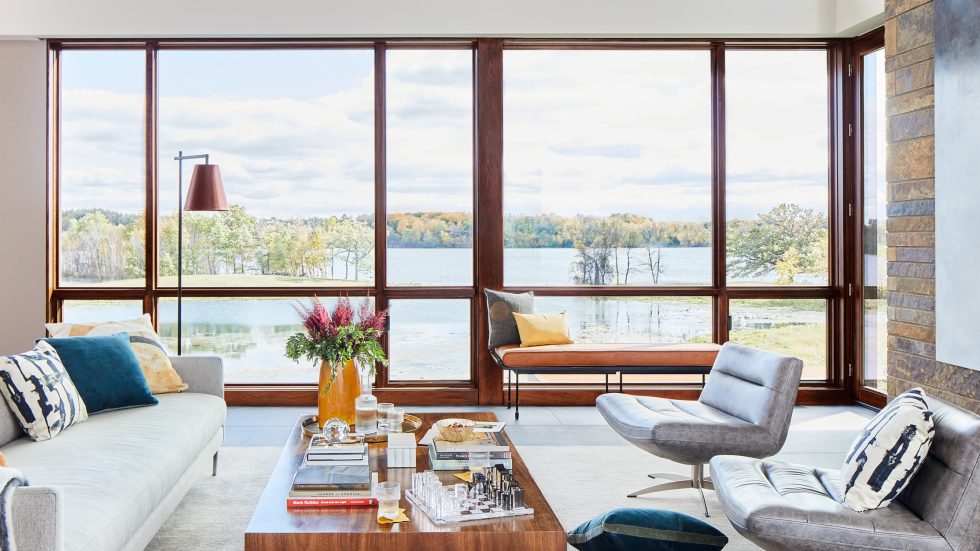
Your windows may work perfectly fine but simply no longer fit the look of your home. This can become especially noticeable after updating other parts of your home, making older frames, colors, or window styles start to stand out. Replacing them gives you a chance to choose windows that better complement your home, while also making changes like bringing in more natural light or opening up your view.
In this case, you do not have to wait for something to go wrong before considering replacement. If you are unhappy with how your windows look or how they work within your space, that can be reason enough to explore your options.
Window Repair vs. Replacement: How to Decide
As mentioned previously, not every window problem means you need a replacement. Smaller issues like worn weatherstripping, damaged caulk, or loose hardware can often be repaired, especially if the rest of the window is still in good condition.
Replacement may make more sense when the problem affects the window itself, such as a rotting or warped frame, failed seals, or recurring leaks. If you are dealing with these problems on older windows and find yourself making frequent repairs, replacing the windows may be a better long-term option.
If you are still unsure which option is right for you, a professional can help you determine whether a repair will solve the problem or if it is time for a replacement.
What to Expect From a Pella Mid-Atlantic Consultation
There is no one-size-fits-all answer when it comes to replacement windows, but a Pella Mid-Atlantic consultation can help. Our team can walk you through different window styles, materials, glass options, and features so you can find the right fit for your home. We can also answer questions about the replacement and installation process, so you know what to expect before moving forward.
Ready to find out if it is time for new windows? Contact us to schedule a free consultation today.