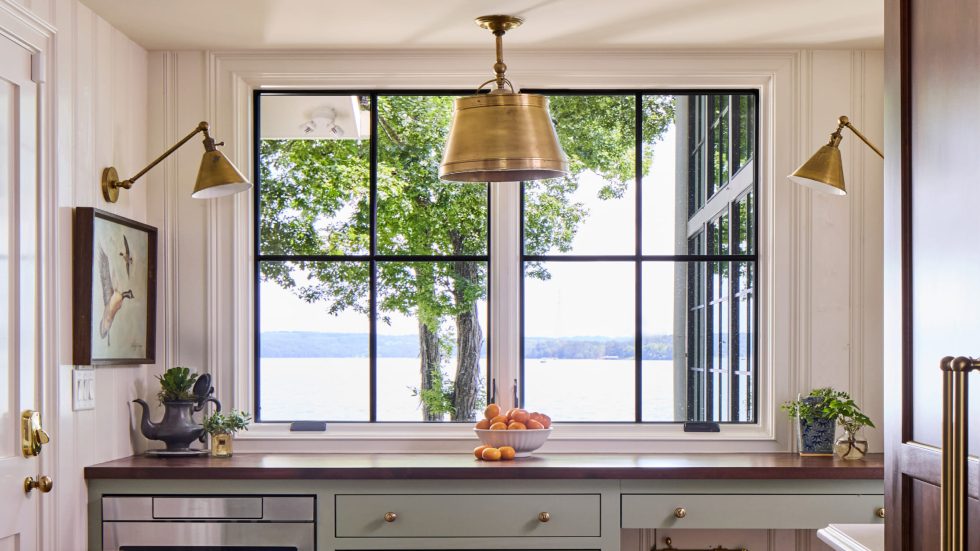
A Homeowner’s Guide to Energy-Efficient Windows
Your windows could be costing you more than you realize. Older, inefficient windows can let heat escape in the winter and allow unwanted heat inside during the summer, making it harder to maintain a comfortable temperature. Upgrading to energy-efficient windows can help keep your home comfortable year-round while reducing energy costs.
But choosing the right windows isn’t always straightforward. Maybe your living room feels chilly no matter how high you turn up the heat, or your kitchen gets uncomfortably warm in the afternoon. Different window features can help solve different problems, and knowing what to look for can make all the difference.
In this guide, the team at Pella Mid-Atlantic explains what makes a window energy efficient, how to compare performance ratings and glass options, and what to consider when choosing new windows for your home.
How Windows Let Heat In and Out
Windows transfer heat in different ways. Heat can move through the glass, sunlight can warm the interior of your home, and air can leak through gaps around the frame. How much heat enters or escapes depends on the window’s glass, construction, and installation.
If you’ve noticed drafts, uneven room temperatures, or excessive heat from direct sunlight, your windows may not be performing as well as they should. Before considering replacement, check that they close properly and look for visible damage around the frames or seals. Our guide to the signs it’s time to replace your windows covers additional warning signs.
If replacement is the right next step, window energy ratings can help you compare products and understand which features will make the biggest difference in your home.
Understanding Window Energy Ratings
Two windows can look almost identical and still perform differently. The National Fenestration Rating Council (NFRC) label shows how the whole window performs, including the glass and frame. When you’re shopping, there are two numbers that are especially helpful when it comes to comparing your options.
U-factor measures how easily heat moves through the window. A lower number means better insulation, reducing heat loss during the winter and limiting heat from entering during the summer.
Solar heat gain coefficient (SHGC) measures how much of the sun’s heat comes in through the window. A lower number means less heat gets through, which can help in rooms that get strong afternoon sun.
These ratings also help determine whether a window qualifies for ENERGY STAR certification. ENERGY STAR certified windows must meet specific U-factor and SHGC requirements for their climate zone, making them a good starting point when shopping for energy-efficient windows. From there, you can compare individual ratings to find the right fit for your home.
Window Features That Can Help Save Energy
While energy ratings help you compare window performance, the features behind those numbers are just as important. The number of glass panes, type of glass coating, and frame material all affect how well a window insulates your home. Understanding how these features work can help you decide which ones make the most sense for your home and local climate.
Double-Pane vs. Triple-Pane Windows
Two common options for insulated windows are double-pane and triple-pane glass. A double-pane window has two layers of glass with an insulating space between them. A triple-pane window adds a third layer of glass with a second insulating space. That extra layer and space generally provide better insulation than a typical double-pane window.
While triple-pane windows typically come with a higher upfront investment, the added insulation may be worth considering in areas of your home that are difficult to keep comfortable. However, if managing solar heat is your main concern, a double-pane window with the right glass coating may be a good fit.
For more guidance on choosing windows that suit our region’s climate, see our guide to the best windows for the Mid-Atlantic
Low-E Glass and Argon Gas
Beyond the number of panes, the glass coating and insulating gas also affect a window’s energy efficiency. Low-E glass has a thin, nearly invisible coating that helps control heat transfer while still allowing natural light into your home. Different Low-E coatings offer varying levels of solar heat control, making some better suited for rooms that receive direct sunlight.
What goes between the panes matters, too. Many energy-efficient windows use argon gas, a clear, odorless gas that provides better insulation than air. Low-E coatings and argon gas are often used together, but the specific options can vary between windows. When comparing products, it’s worth checking which features are included rather than focusing on the number of panes alone.
Frames, Seals, and Installation
While glass often gets the most attention when shopping for energy-efficient windows, the frame material is also important. Vinyl, fiberglass, and wood all offer insulating benefits, but their performance can vary depending on how they’re constructed. For example, vinyl and fiberglass frames can be designed with insulated cavities to reduce heat transfer, while wood provides natural insulation. The best choice depends on the window’s overall construction, along with your preferences for durability, appearance, and maintenance. For a closer look at the differences, explore Pella Mid-Atlantic’s window frame materials.
No matter which frame material you choose, proper installation is essential. Gaps around the frame can allow outside air to enter, making it harder to maintain a comfortable indoor temperature. A properly fitted and sealed window helps minimize air leakage and maintain your home’s energy efficiency.
Pella Mid-Atlantic offers window options in a variety of materials and styles, helping homeowners find solutions that complement their homes. Our team can help you compare options, while our professional installers work to ensure your new windows are properly fitted and sealed to perform as intended.
Choose Energy-Efficient Windows for Your Home
The right energy-efficient windows can make a lasting difference in your home’s comfort and energy costs. With so many options available, knowing which features are worth the investment isn’t always easy. Pella Mid-Atlantic’s window experts can help you navigate these choices and find options that suit your home’s needs and budget.
To get started, browse our selection of replacement windows or visit one of our Mid-Atlantic showrooms to compare options in person. You can also schedule a free in-home consultation to discuss your project with a Pella expert and determine which options will make the biggest difference in your home.